Steam Deck OLED — Is It Still the Handheld to Buy?
A research-led look at how the Steam Deck OLED has held up since launch, and where it sits against the new wave of Windows handhelds.
The Steam Deck OLED is the device that turned PC handhelds from a curiosity into a category. With a wave of Windows-based competitors now established, the practical question for buyers in 2026 isn't whether the OLED is good — every reviewer agrees it is — it's whether it's still the right choice for you.
This article summarises the consensus picture across long-term reviewer coverage and Valve's own published materials.
What the OLED Got Right
Reviewer consensus is essentially unanimous on the highlights:
- The HDR-capable OLED panel is the standout upgrade over the original LCD model — dark scenes in story games and HDR-aware titles benefit most. - Battery life is meaningfully better than the original LCD model thanks to both the panel efficiency and the upgraded chassis cooling and battery capacity. - Build quality and ergonomics are an iteration ahead of the original — slightly lighter, slightly better grip, faster Wi-Fi. - The trackpads remain best-in-class for any handheld with a pointer requirement.
These are all confirmed across long-term reviewer coverage, not just launch impressions.
The SteamOS Trajectory
Where the Steam Deck has quietly improved most is in software. Valve has continued to ship SteamOS updates with sleep/wake refinement, quick-resume reliability fixes, and steadily-widening Proton compatibility. The proportion of the Steam catalogue verified as fully playable on the Deck has grown over the device's lifetime — published Steam Deck verification stats track this publicly.
For most buyers, the SteamOS experience now meaningfully outpaces the early-launch frustrations.
Battery in Real Use
Valve's quoted battery ranges broadly match reviewer testing: lighter indie titles comfortably reach the upper end of the quoted range, heavier AAA titles land near the lower end. Multiple long-term reviewers have reported no major degradation issues after extended use, though absolute degradation depends on charge habits like any lithium-ion device.
Where the Competition Has Caught Up
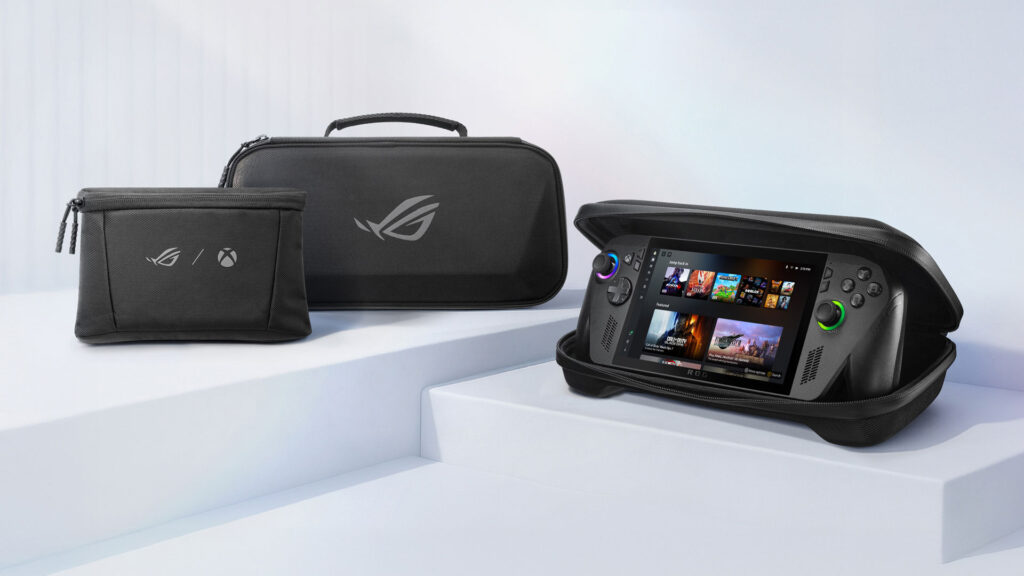
The ASUS ROG Ally X and now the Xbox-branded ROG handheld variants run Windows and offer a different proposition: bigger Windows game library access (Game Pass, Battle.net, third-party launchers), more raw GPU horsepower in their top configurations, and a familiar PC software stack. The trade-off is the rough edges of Windows on a handheld form factor — SteamOS still feels much more "built for this" than Windows 11 does.
If you're a Game Pass subscriber, a Windows handheld may be the more practical pick. If you're a Steam-library buyer, the OLED remains the most polished option in the category.
Who Should Buy a Steam Deck OLED in 2026?
- **Buy it if** your library is primarily on Steam, you value polish and software cohesion over raw performance, and you want the best handheld OLED experience in the category. - **Look at a Windows handheld if** Game Pass is core to your library, you want top-end raw performance, or you need direct access to non-Steam launchers without compatibility layers. - **Skip it if** you already own the original LCD Deck and don't care strongly about the OLED upgrade — the original Deck still gets the same SteamOS improvements.
Final Read
The Steam Deck OLED hasn't been displaced as the best-in-class handheld for Steam library owners. The Windows handheld competition has expanded the category and is the right answer for a different buyer profile, but for most Steam-first buyers, the OLED remains the easy recommendation in 2026.
This article reflects long-term reviewer coverage and published Valve materials. Specific battery numbers and game compatibility vary by title and configuration; check the Steam Deck Verified status for any specific game you want to play.
Key Takeaways
- OLED panel and HDR support remain the defining upgrade over the original LCD model
- SteamOS has continued to mature — Proton compatibility and quick-resume reliability are meaningfully better than at launch
- Battery life broadly matches Valve's quoted ranges across reviewer coverage
- Windows handhelds are now a real alternative for Game Pass / non-Steam-first buyers
- Still the easy recommendation for Steam-library-focused buyers in 2026
Support BlastPixels
BlastPixels is independently run. If you find the content useful, your support helps keep it going.