Nintendo Switch 2 After One Week — What Actually Sticks About Living With It
Seven days in, the early hype settles and the trade-offs sharpen. Here's what the Switch 2 feels like as an actual daily-use device.
Watch the full video on YouTube
One week with a new console is enough time for the first-day hype to fade and the actual daily-use trade-offs to surface. This isn't the full long-form review — that piece goes deeper. This is what survives after seven days of actually picking it up, putting it down, and reaching for it again.
If you've read our first impressions, this is the next instalment: the early reactions tested against a week of real use.
What Holds Up After Seven Days
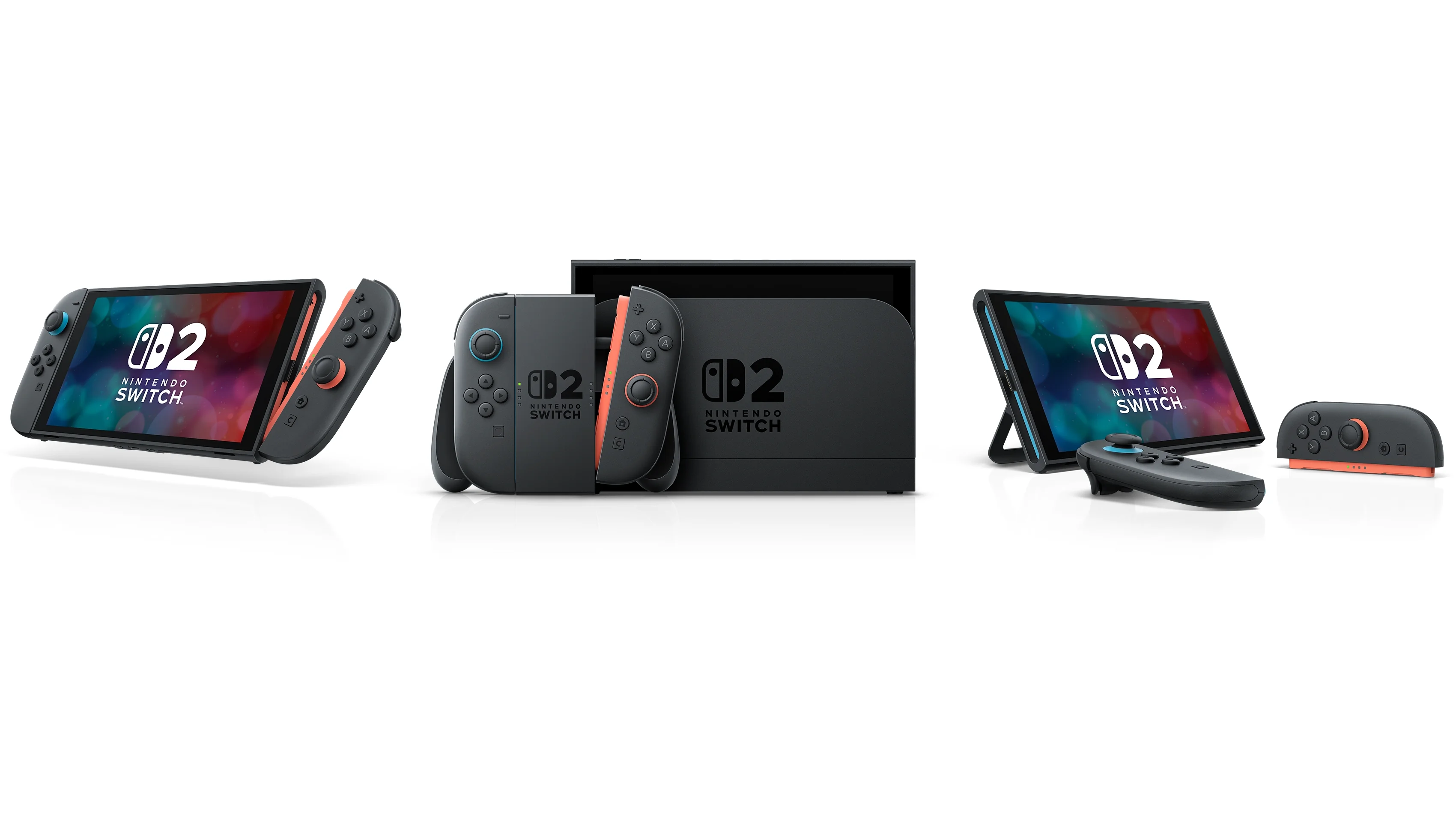
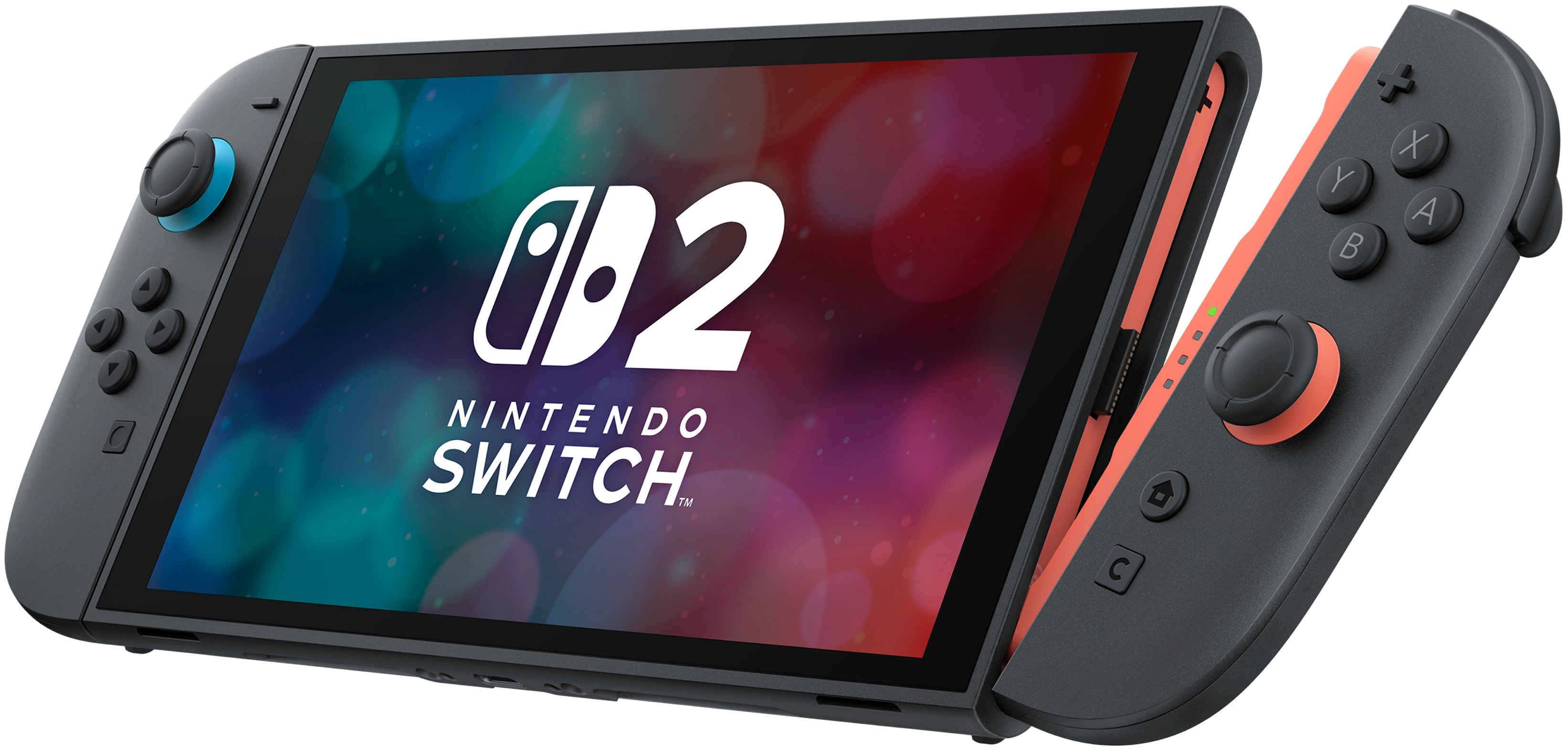
The premium-feel impression holds. The chassis hasn't lost its edge, the buttons still feel right, and the magnetic Joy-Con click hasn't become annoying — it stays satisfying, which matters more than it sounds. The screen continues to make a strong impression even though it isn't OLED; vibrant colours and sharp text carry the experience.
The dock improvements also hold up — plugging in and going to the TV is a more pleasant interaction than the original Switch dock ever was.
What Starts to Annoy
Two things sharpen after a week:
**Battery.** Around three hours of demanding play, depending on the title. For a system that is supposed to be the hybrid evolution of the most successful portable in Nintendo's history, that's a real step backwards from the original Switch's roughly five-hour endurance (more on the OLED model). Plug-in points become part of how you plan your sessions.
**Joy-Con connector caution.** The magnetic attachment is a clean idea, but a week of repeated detach-and-reattach starts to give you the feeling that the connector area is more delicate than the old rails were. Not breaking, not failing — just demanding gentler handling than the original ever did. We'd be careful around kids, travel, and anything that involves bag-stuffing.
The Game Key Card Problem Crystallises
The first-impressions piece flagged this; a week in, it sharpens. Several physical third-party titles purchased over the week turned out to be game key cards rather than full-data cartridges. The behaviour is exactly what it sounds like: insert the card, wait for the download, then play. The card is closer to a proof-of-purchase token than a real cartridge.
For people who care about physical ownership, preservation, lending games to friends, or being able to play in a decade after servers are gone — this is a genuine concern, and it's worth understanding before any third-party physical purchase.
This isn't a hardware fault. It's a publishing-model issue riding on the Switch 2. But after a week of running into it, it's the single thing about the system that most warrants buyer attention.
Mouse Mode After Real Use
Joy-Con mouse mode is fine. It works. It is also, after a week of actual play, basically forgettable. Compatible titles benefit modestly; most games don't use it. We wouldn't buy or not-buy the system around it.
Dock After a Week
The dock looks more premium, plugs in cleanly, and the cable management is less clearly an afterthought than the original. The catch: the shiny interior is already showing tiny scratches from regular docking and undocking. Cosmetic, not functional — but visible faster than it should be. A matte or felt-lined interior would have avoided this entirely.
The Library Question
A week is enough to confirm what we suspected at first impressions: a real portion of what's playable on Switch 2 right now is upgraded or carried-over Switch 1 content. Some of those upgrades are excellent. Some are paid. Whether they're worth re-buying is a per-title call.
Truly new, Switch 2-exclusive software is still thin. That will change — Nintendo's libraries always grow into their hardware — but if you're buying today specifically for new releases, expect to wait a few more months for the lineup to fill out.
Comparison to the Original
Worth saying clearly after a week of side-by-side use: the original Switch is still the better pure portable. Battery, certainty-that-the-cartridge-contains-the-game, and the playful personality of the original chassis all still count for something. The Switch 2 is the more capable, more premium machine. The original is the more relaxed device to live with on a long flight.
Should You Buy It After Week One?
- **Yes, if** you mostly play docked, you want the best-looking Nintendo screen you can hold in your hands, and you understand the game key card situation. - **Wait, if** your main use case is pure portable play, or if physical ownership of third-party releases really matters to you. - **Hold off entirely, if** you're upgrading purely for a launch library that doesn't yet have the new-game weight to justify the spend.
What We Still Need Longer to Know
A week is enough for daily-use behaviour. It is not enough to test long-term durability of the Joy-Con magnetic connectors, the dock interior wear over months, or how the library actually fills out. The full long-form review (linked below) covers more of the editorial position, and we'll follow up at the 90-day mark in the After 90 Days series.
This piece reflects one week of mixed-use observations and the wider editorial position. The full review article covers the longer view; the first-impressions piece covers the early reaction.
Key Takeaways
- After a week, the premium feel and screen quality hold up — the first-day hype was earned on those points
- Battery around three hours of demanding play remains the biggest portability compromise
- Joy-Con connectors warrant gentler handling than the original rails — durability over months is the open question
- Game key cards crystallise as the single most important thing to understand before any third-party physical purchase
- The original Switch is still the more relaxed pure portable; the Switch 2 is the more capable hybrid
Support BlastPixels
BlastPixels is independently run. If you find the content useful, your support helps keep it going.